Galapagos experiences
Seymour North And Daphne Minor Diving Tour
North Seymour Island is 1.9 sq. km (1.17 sq. mi) and it is one of the best sites for sharks and large pelagic fish in the whole Archipelago.
- Duration
- Full Day
- Destination
- Baltra Island


Overview
Home of sharks and large pelagic fish
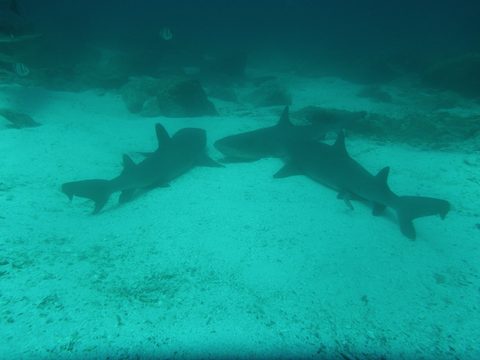
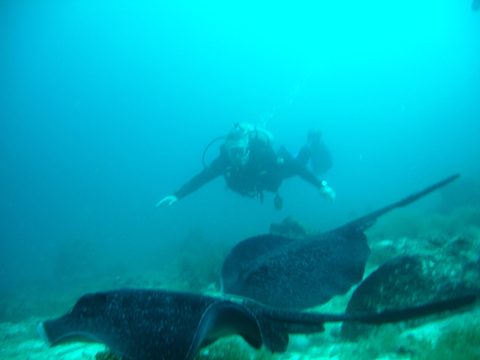
North Seymour Island is 1.9 sq. km (1.17 sq. mi) and it is one of the best sites for sharks and large pelagic fish in the whole Archipelago. It is situated approximately 7 km (3.89 mi) north of Baltra Island (where the airport is located) and not far from Santa Cruz. The island was lifted from the ocean floor by a seismic event, and its origins as a seabed give the island its low, flat profile. The island shape consists of gradual steps off the island shoreline declining 8 meters to beautiful rock reef, before reaching the sandy bottom at 16 – 18 meters. Diving at North Seymour gives the opportunity to enjoy watching sharks, sea lions, stingrays, eagle rays, moray eels, and many fish attracted by the current.
Home of manta rays and colorful fish
The Daphne Minor is located just north of Santa Cruz. Its area is 0.07 sq km and it is maximum altitude is 38 m (123 ft). The island offers something a bit more unique. There our divers can observe the large quantity of benthic organisms that live on the underwater walls of the island, all of which create a multi-colored aspect to the undersea world. Sea horses can be observed around the black corals and Galápagos sharks and sometimes rays and sea turtles are present.
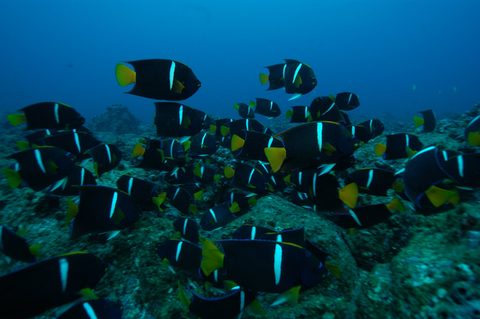
The departure is going to be at 7:00 am from Puerto Ayora Pier where our guests will be ride by shared bus until Itabaca Channel where divers embark on an amazing diving expedition on North Seymour. Diving at Seymour provides the opportunity to swim with many white and black tip reef sharks, as well as being a favorite resting place for large numbers of green sea turtles. At the Seymour is possible to see small schools at both diving sites, swimming through the channel and around the point through the current. Large schools of barracuda,
snapper and other reef fish are also in abundance, and the rock reef is an excellent place to search for the well camouflaged octopi. Peculiar schools of spotted eagle rays that glide through the channel along the sand, occasionally joined by devil and manta rays.
It is recommended to be knowledgeable that from July to December sea temperature are cooler here, from 65ºF - 75ºF (18ºC – 23ºC) with occasional thermoclines from 60ºF - 64ºF (16ºC - 18ºC). We provide with 5mm or 7mm wetsuits as well as hoods and also have some spare layers. And, January to June water temperature is up 24ºC.
Itinerary
Departure: at 7:30 am from Puerto Ayora Pier
Returning time: approximately at 3:30 pm
Travel Time: speed boat ride takes around 1 hour (August – October the seas can be quite rough). Divers with back or neck injuries are not advised to take this diving journey.
Diver Level: certified - no minimum experience needed
Degree of Difficulty: intermediate to advanced
Depth Range: 15 m – 25 m
Visibility: 10 m - 20 m
Highlight activity: diving next sharks and pelagic fish
Transportation: shared bus and speed boat
What’s included
- 2 dives on one day
- Full equipment (5-7 mm wetsuit, regulator, BCD, mask, fins, boots, hoods,
gloves-no neoprene-, weight belt, 12ltr tanks
- Naturalist Tour Guide accredited by Galápagos National Park, English and Spanish speaker
- Snacks, fruit and hot tea, lunch, juice, and drinking water, towels
- Check dive (This is a short weights and gear check in shallow water as Galápagos seas require more weights and neoprene than you may be used to.
Also a quick skills refresh if it’s been a while since your last dive).
- Tax
What’s not included
Tips